
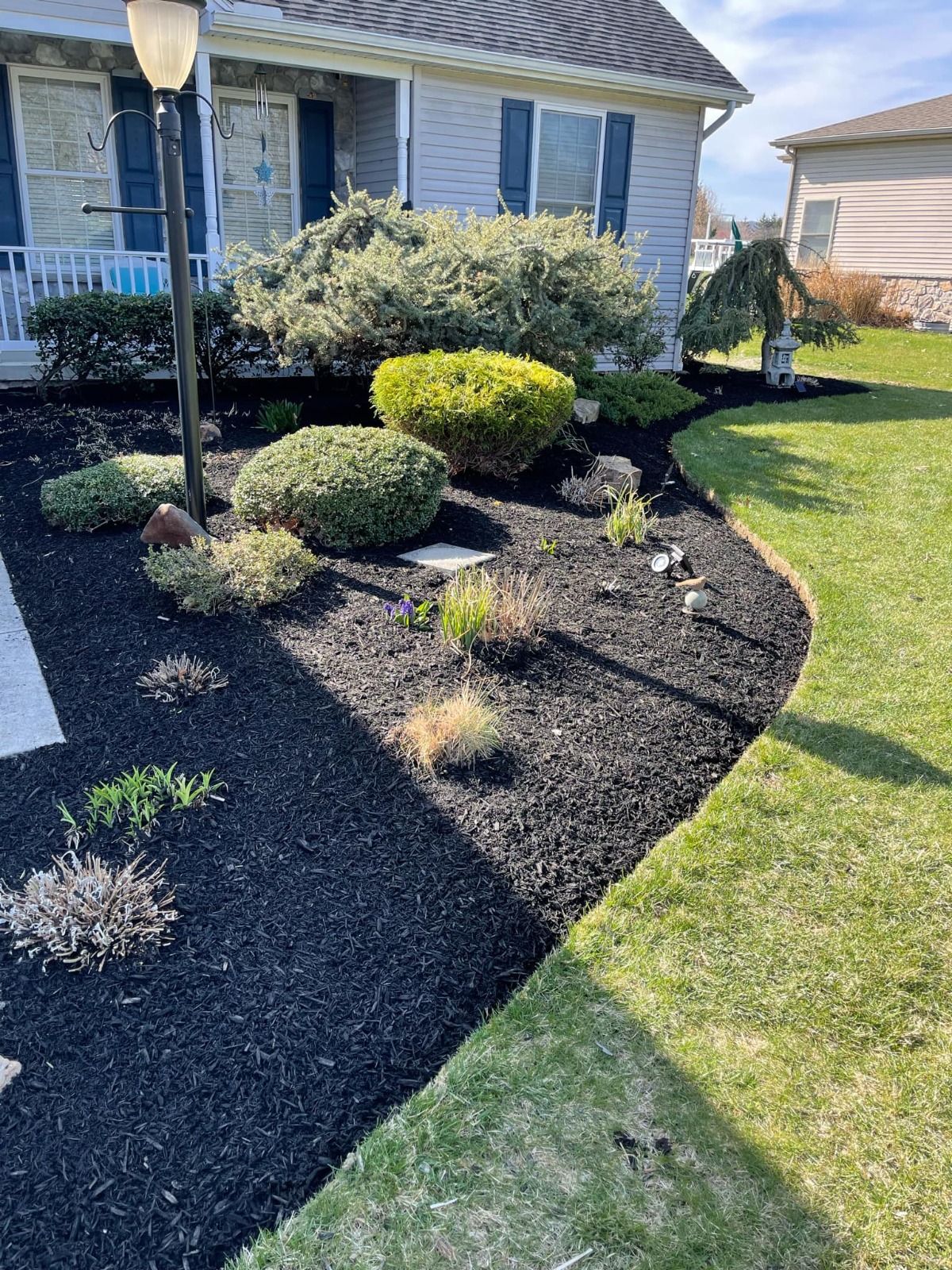
Spring Shows How The Yard Wakes Up
Spring makes it easier to see wet areas, early growth, shade patterns, and the places where a water feature could complement new or existing beds.
Summer Shows How People Use The Space
In summer, homeowners can see where they sit, walk, grill, entertain, and spend time outside. That helps shape the best placement for sound, views, and movement.
Late Summer Reveals Maintenance Needs
By late summer, overgrown areas, leaf drop, splash concerns, and dry spots may be easier to notice. Those observations can shape a more realistic feature plan.
Fall Can Be A Smart Planning Window
Fall planning gives time to think through surrounding beds, hardscape, concrete, pool areas, and winter conditions before the next busy outdoor season.
Placement Matters More Than Size
A smaller feature in the right place often works better than a larger one in an awkward corner. Views from the house, seating areas, shade, and walking paths all matter.
Plan The Surrounding Landscape Too
A water feature needs edges, plants, stone, mulch, or hardscape around it. Those surrounding details are what make the feature feel like part of the yard.
Think About The View From Inside The Home
Many water features are enjoyed from the kitchen, living room, patio door, or deck as much as from the yard itself. The view from inside the home can help decide placement and surrounding landscape choices.
Make The Feature Easy To Maintain
A feature that is hard to reach, buried under leaves, or awkward to clean can lose its appeal quickly. Planning maintenance access early helps keep the feature enjoyable after installation.