Size Is Only One Part Of Cost
Square footage matters, but it is not the whole story. A simple open patio is different from a sloped backyard with walls, steps, drainage work, demolition, and tight access.
Prep Work Can Change The Scope
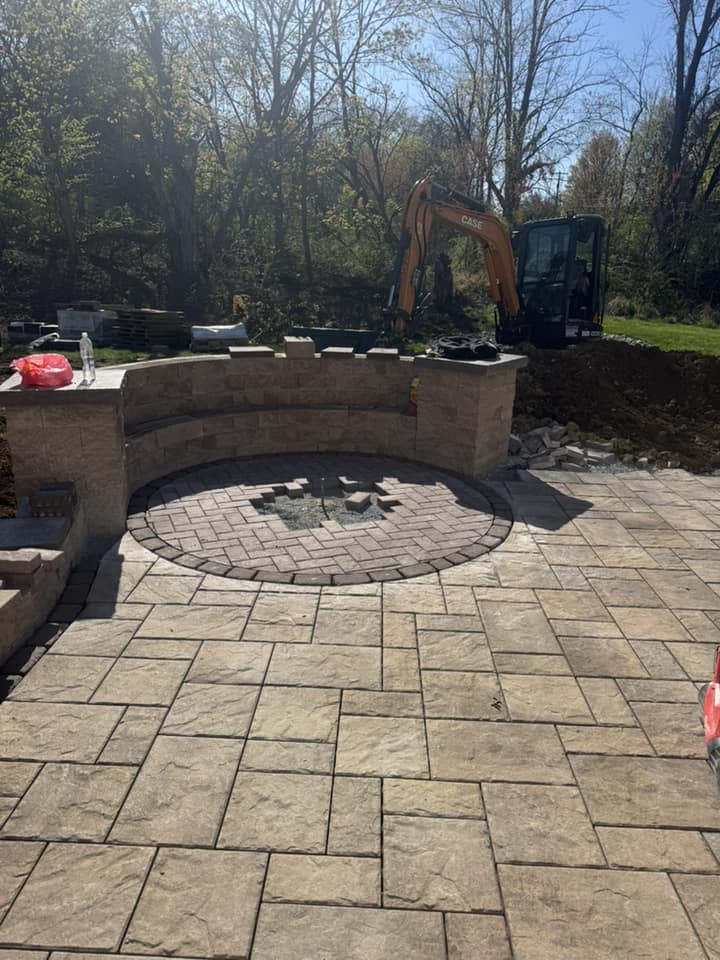
Hardscaping often requires excavation, base material, compaction, grading, old material removal, and cleanup before the visible surface is installed. That prep is what helps the finished area last.
Materials Affect Budget And Maintenance
Pavers, wall block, natural stone, edging, and accent materials all have different price points and maintenance expectations. The right choice should fit the home, the budget, and daily use.
Drainage Should Be Part Of The Plan
Water movement can affect patios, walkways, walls, beds, and lawn areas. A hardscape that ignores runoff may look finished at first but create problems later.
Walls And Steps Add Complexity
Retaining walls, steps, seat walls, and raised edges add structure and function, but they also require more planning around grade, base, drainage, and transitions.
Phasing Can Help With Larger Projects
A large outdoor plan can sometimes be built in phases. The important part is making sure phase one does not block future patios, lighting, beds, walls, or water features.
Finish Work Matters
The areas around the hardscape should be considered too. Lawn repair, mulch, planting, edges, and cleanup all affect whether the finished project looks complete.
Access Can Affect The Work
A wide, open yard is different from a fenced backyard with narrow side access, mature beds, or slopes. Access can affect labor, equipment, material movement, and cleanup, so it belongs in the cost conversation from the beginning.
The Finished Edges Are Part Of The Value
A patio or wall can be installed well and still feel incomplete if the lawn, mulch, beds, and transitions around it are ignored. Finish work helps the project look like it belongs on the property.