Which Hardscaping Projects Make The Biggest Difference?
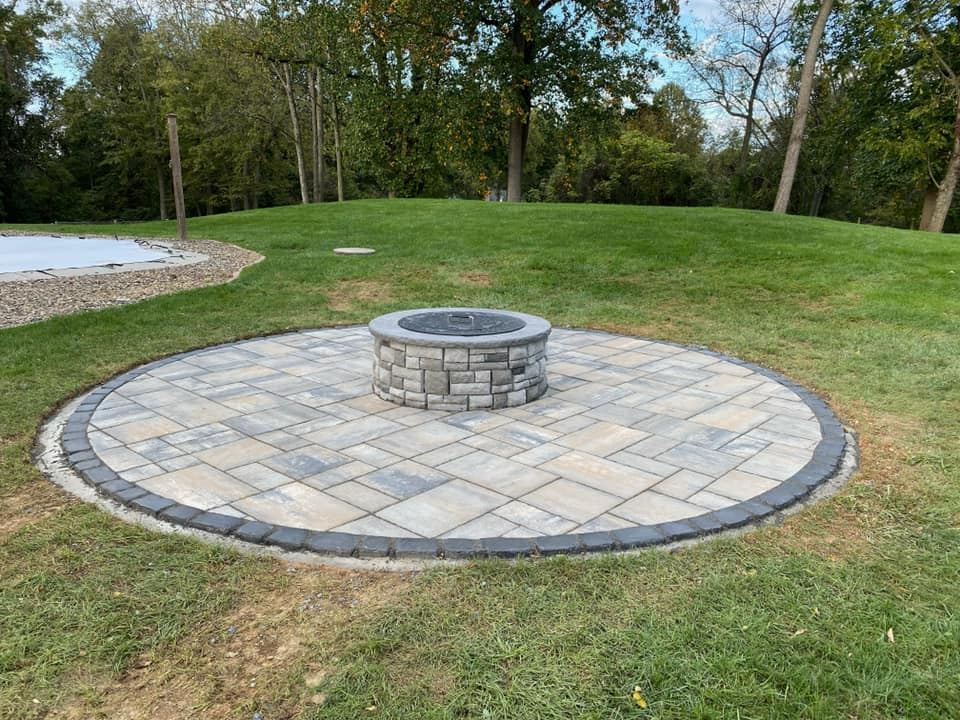
The most useful hardscaping projects usually solve a specific problem before they add style. A patio can create a stable place for seating, grilling, and gathering. A walkway can make the route from the driveway to the backyard cleaner and safer. A retaining wall can organize a slope, support a bed, or create flatter usable space. Steps, landings, edging, and fire pit areas can also make a Cumberland County yard easier to move through and easier to maintain. JM Outdoor Services starts with how the area needs to work, then looks at materials, layout, access, and finish details.
How Do Cumberland County Yards Affect The Plan?
Outdoor work in Cumberland County often has to account for grade changes, older landscape beds, tight side yards, roof runoff, compacted soil, and lawns that hold water after heavy rain. Some homes have easy driveway access and open yards. Others require materials to move through a gate, around mature plantings, or across areas that need protection during the job. Those property conditions can affect excavation depth, base preparation, retaining wall design, cleanup, and scheduling. A good hardscaping conversation should include the yard around the project, not only the surface being installed.
Should Drainage Be Discussed Before Materials?
Yes. Pavers, block, and stone are important, but drainage decides whether the finished project works well after storms. A patio needs surface pitch so water does not sit near the house or collect around furniture. A retaining wall needs the right base and water management behind it. A walkway should meet the lawn, driveway, or steps without creating a muddy edge. JM Outdoor Services reviews low spots, downspouts, slopes, and surrounding beds early so the hardscape can be planned around real water movement on the property.
What Access Details Can Change The Estimate?
Access affects labor, staging, cleanup, and timing. A hardscape project may require removing old material, bringing in stone base, moving pavers or wall block, and carrying out soil or debris. Wide access can make those steps more straightforward. A narrow gate, steep side yard, limited parking, fence line, pool equipment, or established bed can add planning time. Homeowners do not need every measurement before calling, but it helps to mention where materials could enter, whether equipment can reach the area, and what parts of the lawn or landscape need extra care.
Do Hardscaping And Landscaping Need To Be Planned Together?
Many projects look better and perform better when the hardscape and surrounding landscape are planned together. A new patio may disturb grass, expose soil, or change the edge of a mulch bed. A retaining wall may need planting areas, stone, grading, or lawn repair around it. A poolside hardscape may connect to concrete, seating, beds, and drainage. JM Outdoor Services handles hardscaping, landscaping, excavation, concrete, pools, and water features, which helps customers think through the finished outdoor area instead of stopping at the main installation.
What Materials Should Homeowners Compare?
Pavers are often used for patios, walks, and landings because they create a defined surface with color and pattern choices. Wall block can support slopes, beds, steps, and raised edges. Stone can support drainage areas, borders, and landscape transitions. Concrete may make sense for certain support surfaces, pads, walkways, or pool-area needs. The right choice depends on budget, grade, daily use, maintenance expectations, and how the new work will look beside the house, driveway, beds, lawn, and any future outdoor projects.
When Should A Homeowner Call About Scheduling?
It is better to start the conversation before the target season is full. Spring and early summer are popular for patios, walkways, and outdoor living areas because homeowners want the space ready for warm weather. Late summer and fall can be useful for walls, grading, cleanup, and preparing outdoor areas before winter. Weather, material availability, access, and the size of the project all affect timing. If the work includes excavation, concrete, landscaping, or pool-area improvements, early planning gives the whole project a cleaner order.
How Should The First Conversation Start?
Start with the property location, the hardscaping goal, and the problem the project should solve. Mention whether the area is flat or sloped, whether water collects there, how people move through the yard, and what other outdoor work may be connected. Photos can help show access, downspouts, existing surfaces, gates, beds, and grade changes. JM Outdoor Services can then talk through whether the request fits hardscaping alone or should include excavation, landscaping, concrete, pool-area work, or water-feature planning.
Where Should Homeowners Read Next?
Homeowners comparing options can start with the hardscaping plan, the Cumberland County property details, and any connected outdoor work around the yard. Related services such as excavation, landscaping, concrete, pools, and water features may also matter when the improvement needs more than one trade. When the project is ready for a direct conversation, JM Outdoor Services can talk through the location, timing, drainage concerns, and surrounding landscape work.