Quick answer
Before booking hardscaping in Mechanicsburg, ask what the estimate includes, how drainage and base preparation will be handled, how the crew will reach the work area, what will happen at lawn and bed edges, and who is responsible for cleanup and connected landscaping. Clear answers make it easier to compare the full project instead of comparing only the visible paver or wall material.
Before an estimate
Mechanicsburg yard details worth mentioning early
Established Mechanicsburg-area properties can have fences, mature beds, narrow side yards, sloped access, or limited staging space. Describe the route from the driveway or street to the work area before materials are planned.
Show where roof runoff enters the yard, where soil stays soft, and where water collects after rain. A new surface or wall should be planned around those existing patterns instead of treating drainage as a finish detail.
Ask how new hardscape will meet lawn, mulch beds, a driveway, porch, steps, or a pool-area surface. Those transitions determine how complete the space feels and how easy it is to maintain.
1. What Problem Should The Hardscape Solve?
Start with the result, not the product catalog. A patio for a dining table needs different circulation and usable space than a small sitting area. A walkway should connect the places people actually travel. A retaining wall may need to hold a slope, create a level area, or make a lawn edge easier to maintain. Explain what is difficult about the yard now and how you want to use it when the work is complete. That gives JM Outdoor Services a clearer basis for discussing layout, grade, and the related outdoor work that may belong in the same scope.
2. What Does The Estimate Include Below The Finished Surface?
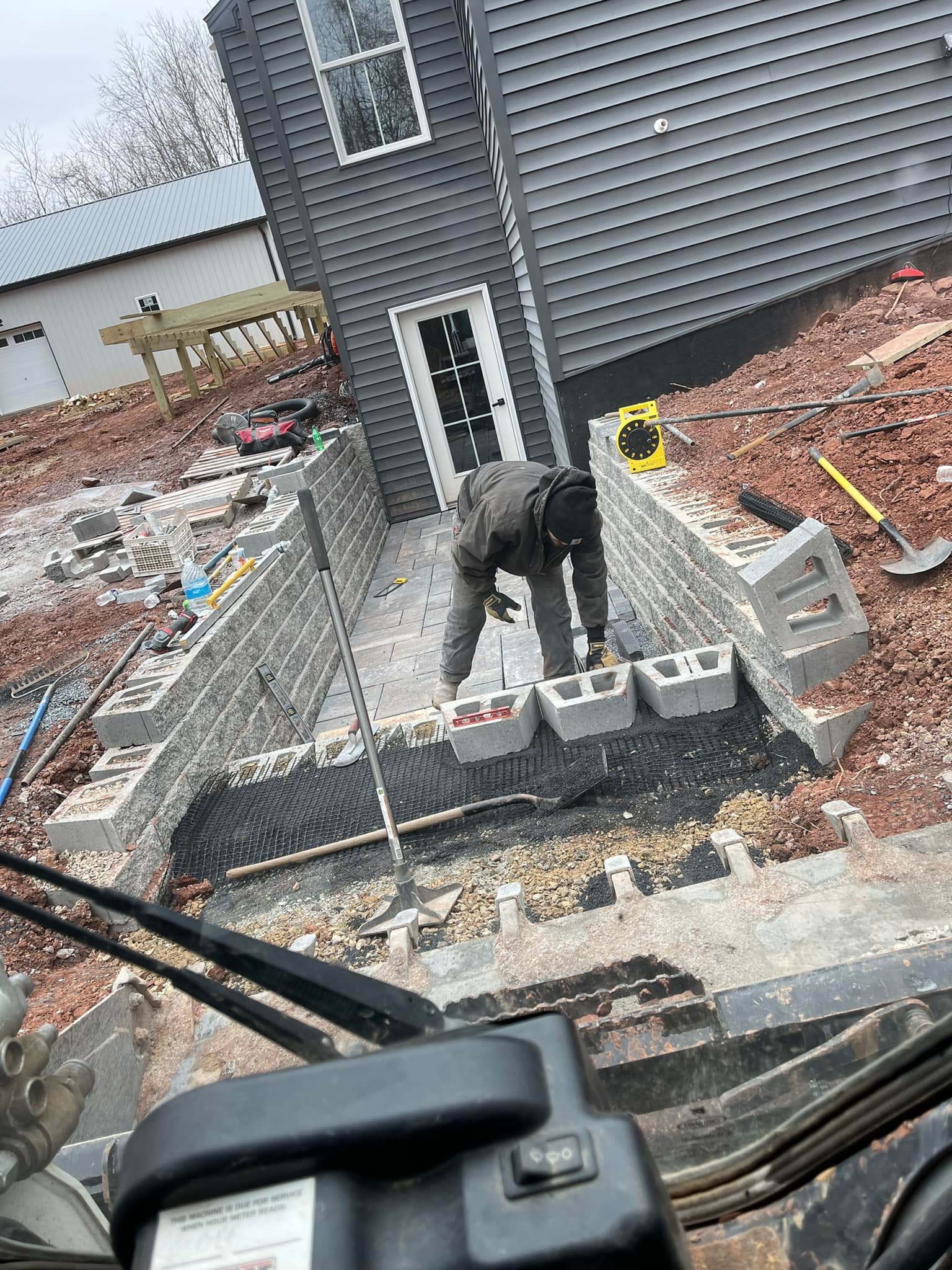
Pavers and wall block are the visible part of the project, but excavation and base preparation support what you see. Ask what existing material will be removed, how the area will be shaped, what base work is included, and how the finished height will meet doors, steps, lawn, beds, or other surfaces. The answer should make it clear whether the scope covers only installation or also the preparation and finish details needed around it. This is especially important when comparing estimates that may describe the same patio size but include different levels of site work.
3. Where Will Water Go After The Project Is Built?
A new patio, walkway, or wall changes how water moves across part of the property. Point out downspouts, low areas, soft soil, washouts, and places that hold water after a storm. Ask how the new surface will be pitched and how runoff will move away without creating a muddy edge or sending water toward the house. For a retaining wall, ask how water behind the wall is addressed. Drainage decisions should be part of layout and preparation, not a question saved until the visible work is nearly finished.
- Show where water collects after rain.
- Identify downspouts near the planned work.
- Ask how the new grade meets the existing lawn.
- Discuss water behind retaining walls before choosing the wall layout.
4. How Will Materials And Equipment Reach The Work Area?
The path from the street or driveway to the project can shape labor, staging, and the order of work. A narrow gate, fenced side yard, steep route, mature planting bed, pool equipment, or finished surface may limit the equipment that can reach the area. Ask where materials will be delivered, where removed soil or old material will go, and what parts of the property need protection. Sharing access conditions early helps JM Outdoor Services discuss a realistic hardscaping plan for established Mechanicsburg and Cumberland County yards.
5. How Will The New Work Meet The Rest Of The Yard?
The edges are where many outdoor projects either feel finished or feel incomplete. Ask how a patio will meet the lawn, how a walkway will connect to the driveway or porch, and what happens to beds disturbed during construction. A wall may create new planting space or a narrow strip that needs a maintenance plan. If grading, mulch, bed repair, or lawn restoration is likely, include it in the conversation before booking. JM Outdoor Services handles both hardscaping and landscaping, which makes it possible to discuss those transitions as one outdoor plan.
6. Which Material Fits The Use And Maintenance Expectations?
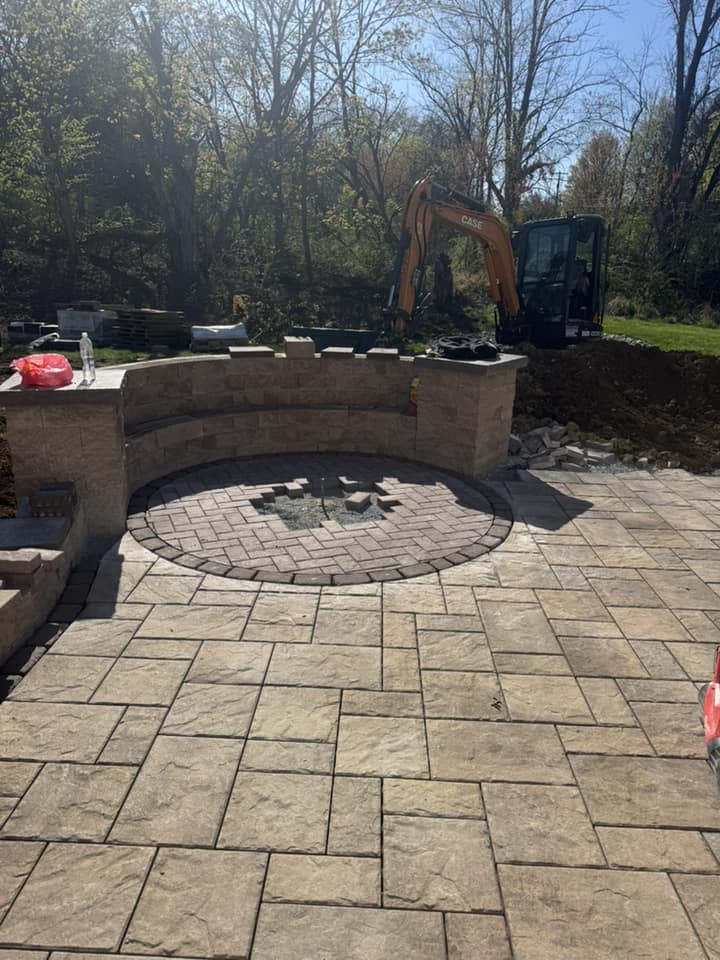
Material choice should follow the job the space needs to do. Ask how the options compare for foot traffic, furniture, slope, edges, appearance beside the house, and routine upkeep. Pavers can define patios, walks, and landings; wall block can hold grade changes or frame outdoor spaces; stone can support borders and drainage areas; and concrete may suit practical pads or connecting surfaces. A useful recommendation should connect the material to the property and the intended use rather than relying on color alone.
- How people and furniture will use the surface
- How the material fits the house and existing outdoor areas
- What maintenance the homeowner should expect
- How edges, steps, and grade changes will be finished
7. Are Utilities, Boundaries, Or Other Site Limits Near The Work?
Tell the contractor about visible utility equipment, known buried lines, septic or drainage components, easements, and property-boundary concerns near the planned area. Do not assume a fence marks a boundary or that an open part of the yard is clear below grade. Requirements can depend on the property and the project, so ask what needs to be confirmed before excavation or construction begins. Raising these questions early can prevent a preferred layout from advancing before basic site limits are understood.
8. What Are The Schedule, Site Access, And Cleanup Expectations?
Ask how weather, material availability, connected services, and access may affect timing. Find out whether the driveway, gate, or part of the yard needs to remain open during the work and how the site will be left between phases. The finished scope should also explain removal of old materials, excess soil, and construction debris, along with any final grading, bed repair, or lawn work that is included. Clear expectations are more useful than a date that ignores the conditions of outdoor work.
9. Who Coordinates The Connected Outdoor Work?
A hardscaping project may overlap with excavation, drainage shaping, concrete, landscaping, pool-area finish work, or a water-feature setting. Ask whether those pieces belong in one scope, need separate phases, or should happen before or after the hardscape. JM Outdoor Services works across those connected outdoor services, so the first conversation can cover the whole work area instead of treating the patio, wall, or walkway as an isolated surface. The goal is a clear order of work and a yard that feels complete when the hardscaping is done.