
Quick answer
Before booking hardscaping in Mechanicsburg, compare the full scope: excavation and base preparation, drainage, access, material and finish choices, disturbed lawn or beds, site restrictions, future outdoor plans, cleanup, and what the schedule actually confirms. Those details usually reveal more than square footage or the surface material alone.
Around Mechanicsburg
Three Property Conditions To Discuss At The Start
Show where the yard slopes, where water sits after rain, and how downspouts or existing surfaces meet the planned work.
Point out gates, fences, mature beds, pool equipment, finished driveways, and any narrow route between the street and the work area.
Discuss lawn repair, bed edges, concrete, pool-area work, or future features that should meet the hardscape without an awkward transition.
1. Is The Project Hardscaping, Landscaping, Or Both?
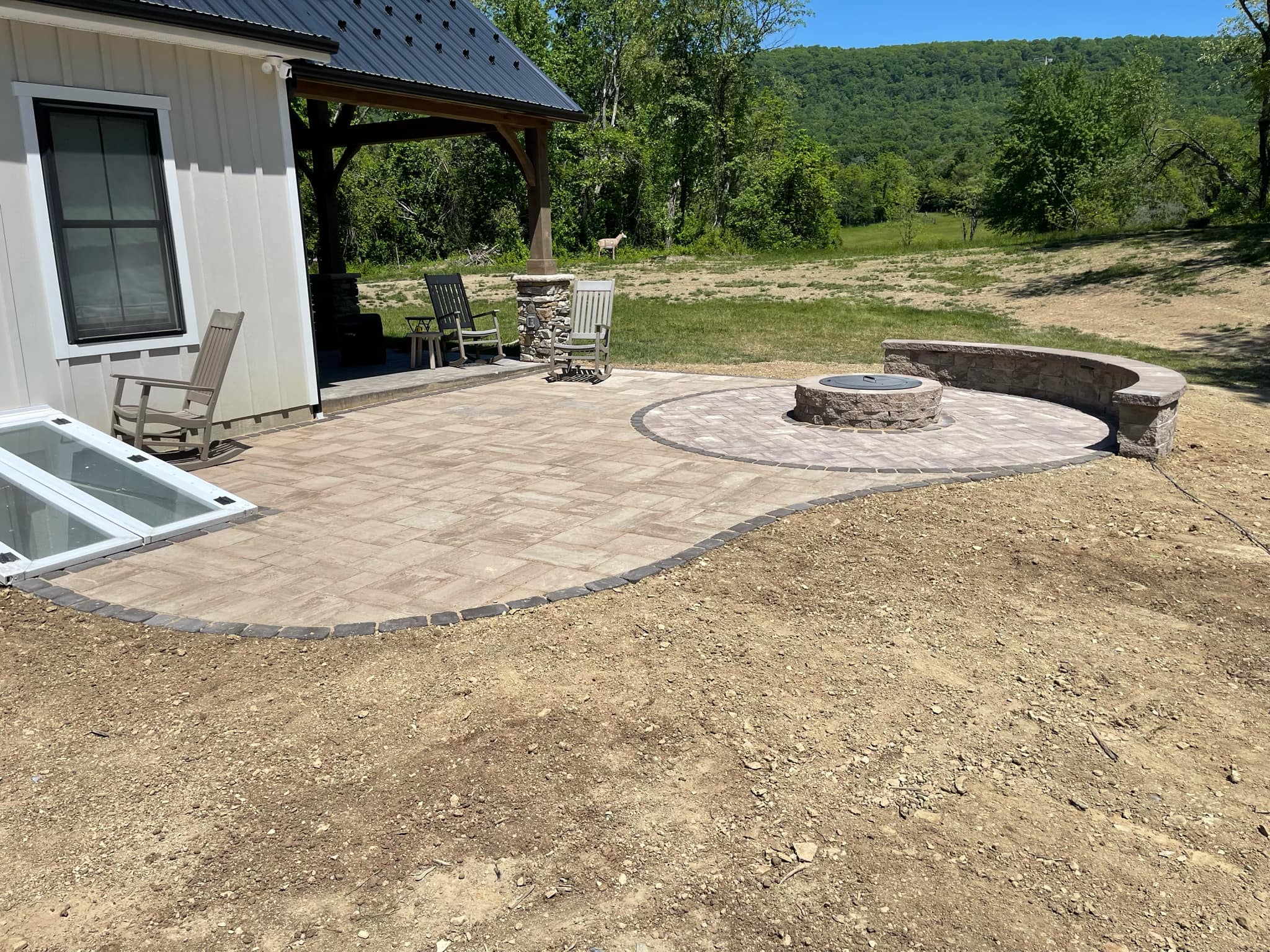
Hardscaping covers built features such as patios, walkways, retaining walls, steps, landings, and hardscape edges. Landscaping covers planted and living areas such as beds, mulch, lawn repair, and the finish around those structures. Many Mechanicsburg projects need both. A new patio may change a bed line, disturb lawn along the access route, or create an edge that needs grading and planting. Identifying those connections before booking helps keep the estimate focused on the finished outdoor area rather than only the paver or wall surface.
2. What Work Is Included Before The Visible Material Goes In?
The finished pavers or wall block are only part of the job. Ask whether the proposed scope includes removing existing material, excavation, shaping the area, base preparation, grade adjustments, material delivery, disposal, and repair at the project edges. Two estimates can describe a patio of the same size while including very different preparation. A clear scope should separate what is being built from the work required to support it, so you can compare the whole project instead of treating square footage as the only cost factor.
3. Where Will Water Move After The Hardscape Is Finished?
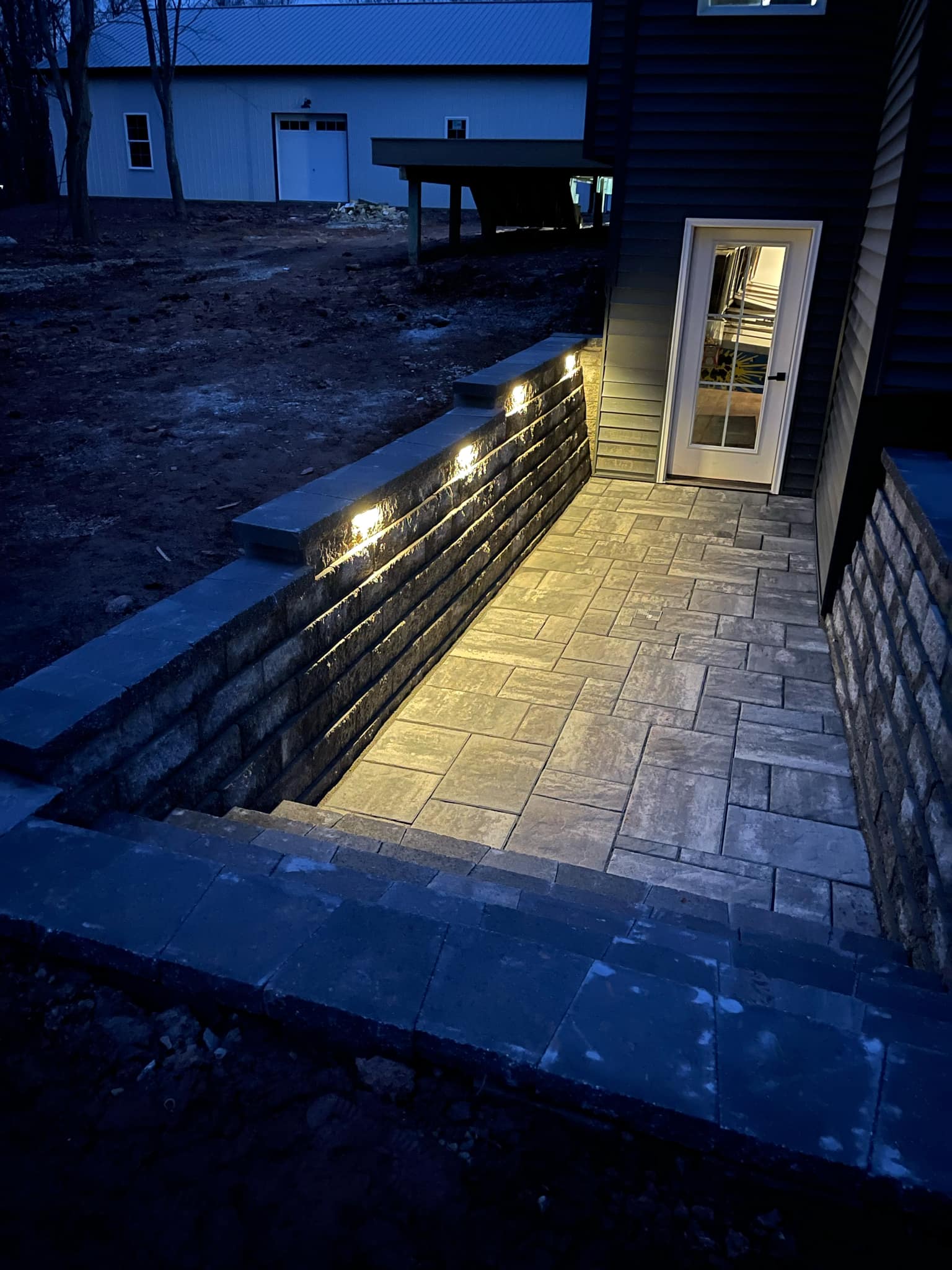
Patios, walks, steps, and walls change the way water crosses a yard. Before booking, point out downspouts, low areas, soft lawn, washouts, and places that hold water after rain. Ask how the new surface will meet the existing grade, where runoff is expected to go, and how water behind a retaining wall will be addressed. The goal is not simply to move water off the new surface; it is to avoid creating a wet lawn edge, sending runoff toward the house, or shifting a problem to another part of the property.
- Show where water collects during an ordinary storm.
- Identify downspouts and drains near the work area.
- Ask how the hardscape will meet the lawn, driveway, or beds.
- Discuss retaining-wall drainage before the wall layout is finalized.
4. How Will The Crew Reach And Stage The Work Area?
Access can change the equipment, labor, and sequence a project requires. Mechanicsburg-area properties may have fenced yards, narrow gates, mature beds, sloped side yards, pool equipment, or finished driveways that need to remain usable. Ask where materials can be delivered, how removed soil or old hardscape will leave the property, and which surfaces need protection. Mentioning access early gives JM Outdoor Services a better view of the full working route, not just the footprint of the patio or wall.
5. Who Will Check Site Restrictions Before The Schedule Is Set?
Property lines, easements, buried utilities, drainage routes, community rules, and permit requirements can affect where outdoor structures may go. The details vary by property and project, so ask which checks belong to the homeowner and which are handled as part of the work. Bring any survey, utility information, community guidance, or known restrictions you already have. Resolving those questions before materials are ordered can prevent a layout from being built around an assumption that later needs to change.
6. Should Future Outdoor Features Change Today’s Layout?
A hardscape should leave room for how the yard may develop. If a pool, water feature, concrete pad, outdoor seating area, planting bed, or second walkway may be added later, mention it before the first phase is booked. The current grade, route through the yard, finished elevations, and edge details can either support or complicate that future work. Even when everything is not built at once, the first phase should avoid blocking practical access or leaving awkward transitions for the next improvement.
7. How Will The Edges And Disturbed Areas Be Finished?
The transition from the new hardscape to the rest of the yard determines whether the project looks complete. Ask what happens where a patio meets the lawn, where steps meet a walkway, or where a retaining wall creates a new bed. Clarify whether the scope includes soil, seed, mulch, bed reshaping, grading, cleanup, or another finish treatment. These details are easy to overlook when choosing the main material, but they affect maintenance and how naturally the new work fits the property.
8. What Does Booking Confirm About Scope And Timing?
Before reserving a place on the schedule, make sure the written scope identifies the main features, preparation, materials, connected services, cleanup, and any items still waiting on a decision. Ask what could affect timing, including weather, site conditions, material availability, access, or changes to the requested work. A clear booking conversation does not need to predict every day of an outdoor project, but it should establish what is included, what still needs confirmation, and how changes will be discussed.